Welcome to WordPress. This is your first post. Edit or delete it, then start writing!
Author: admin
-
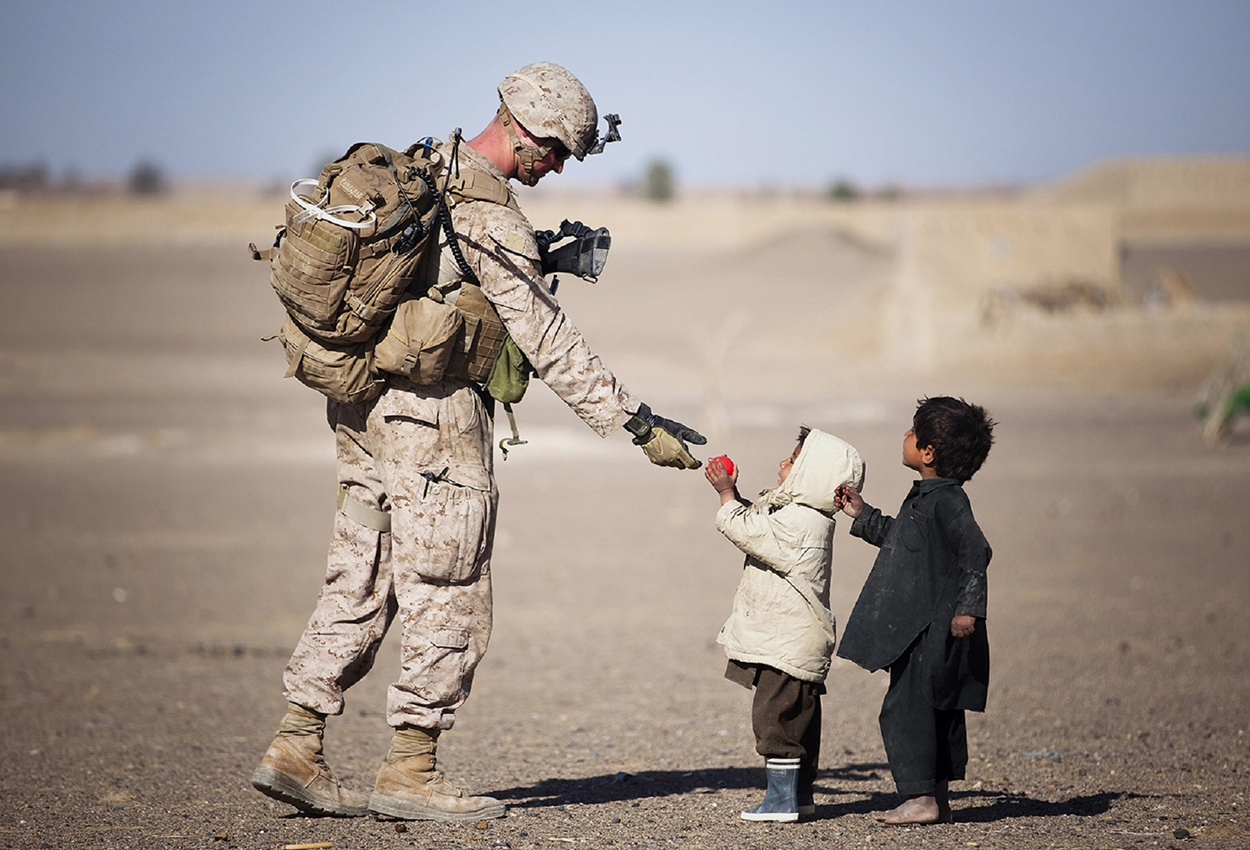
Technological Advancements And Their Role In International Political Security
The rise of multipolar tensions has redefined how governments negotiate, cooperate, and compete. Major summits,
(more…) -

Climate Disasters And Rising Socio-Cultural Schisms In Global Politics
The rise of multipolar tensions has redefined how governments negotiate, cooperate, and compete. Major summits,
(more…) -

Shifting Power Structures In Twenty-First Century International Political Governance
The rise of multipolar tensions has redefined how governments negotiate, cooperate, and compete. Major summits,
(more…) -
Advocating Social Justice Amid Escalating Political Polarization Worldwide
The rise of multipolar tensions has redefined how governments negotiate, cooperate, and compete. Major summits,
(more…) -

Global Cooperation And Political Disruption In Contemporary International Relations
The rise of multipolar tensions has redefined how governments negotiate, cooperate, and compete. Major summits,
(more…) -
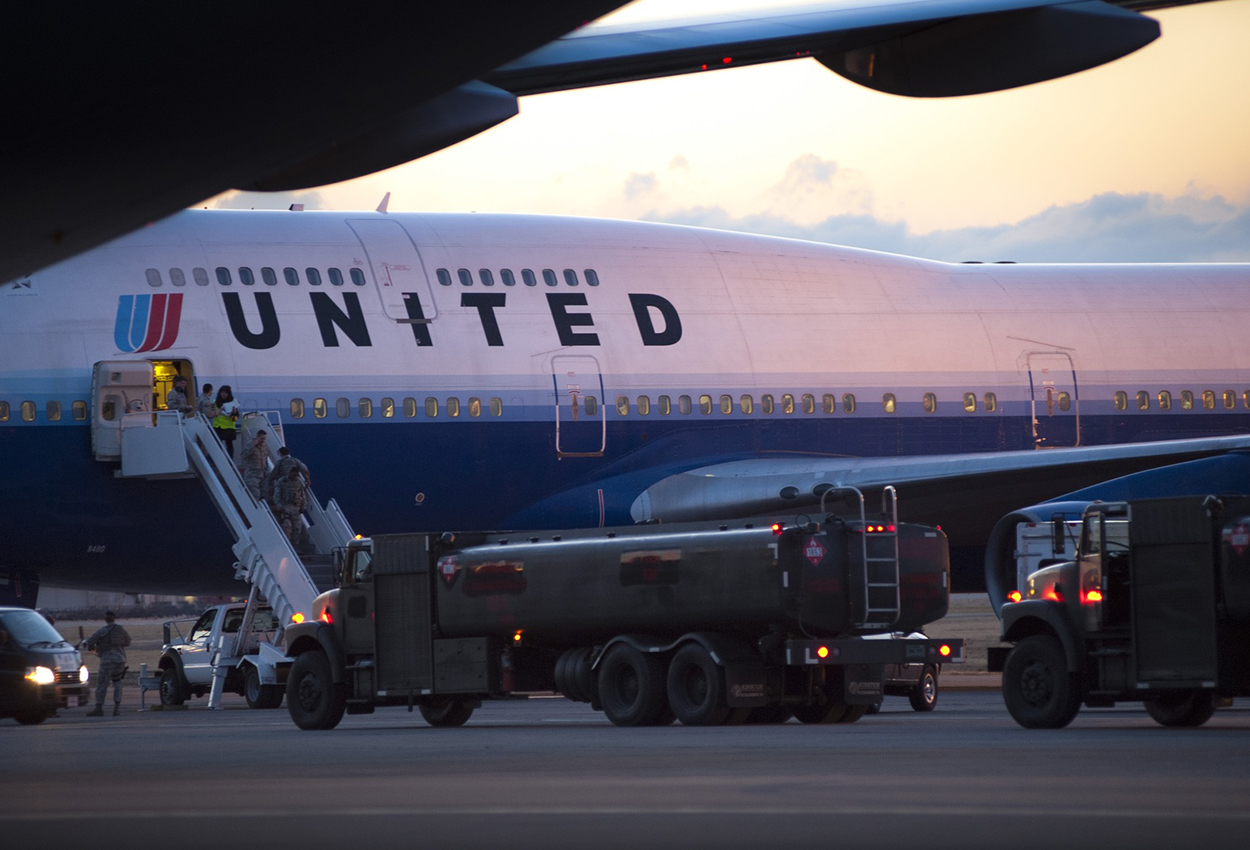
The Future Of Governance In An Increasingly Digital Global Era
The rise of multipolar tensions has redefined how governments negotiate, cooperate, and compete. Major summits, trade agreements, and defense collaborations now reflect a world where authority is more evenly distributed, and no single country dominates global affairs
Global Power Shifts Reshape Diplomacy Amid Rising Multipolar Tensions
In recent years, the landscape of international politics has undergone a seismic transformation, as established power centers are challenged by the emergence of new players on the global stage. Regional powers and coalitions—including countries from the Global South—are increasingly asserting their influence through strategic partnerships and proactive engagement in diplomatic forums. These shifts have dramatically altered traditional alliances, prompting nations to develop more flexible, dynamic foreign policies that can adapt to rapidly changing security and economic realities.
The rise of multipolar tensions has redefined how governments negotiate, cooperate, and compete. Major summits, trade agreements, and defense collaborations now reflect a world where authority is more evenly distributed, and no single country dominates global affairs. In this multipolar environment, ongoing disputes over resources, technology, and governance present both opportunities for innovative cooperation and risks of regional conflict escalation.
Against this backdrop, today’s international news stories capture the nuances and complexities of an evolving order, offering insight into the strategic maneuvers of both established powers and emerging leaders. From economic realignments to the impacts of technological advances and climate diplomacy, this post provides analysis and perspective on the trends that are shaping diplomacy and the future of international relations.
-
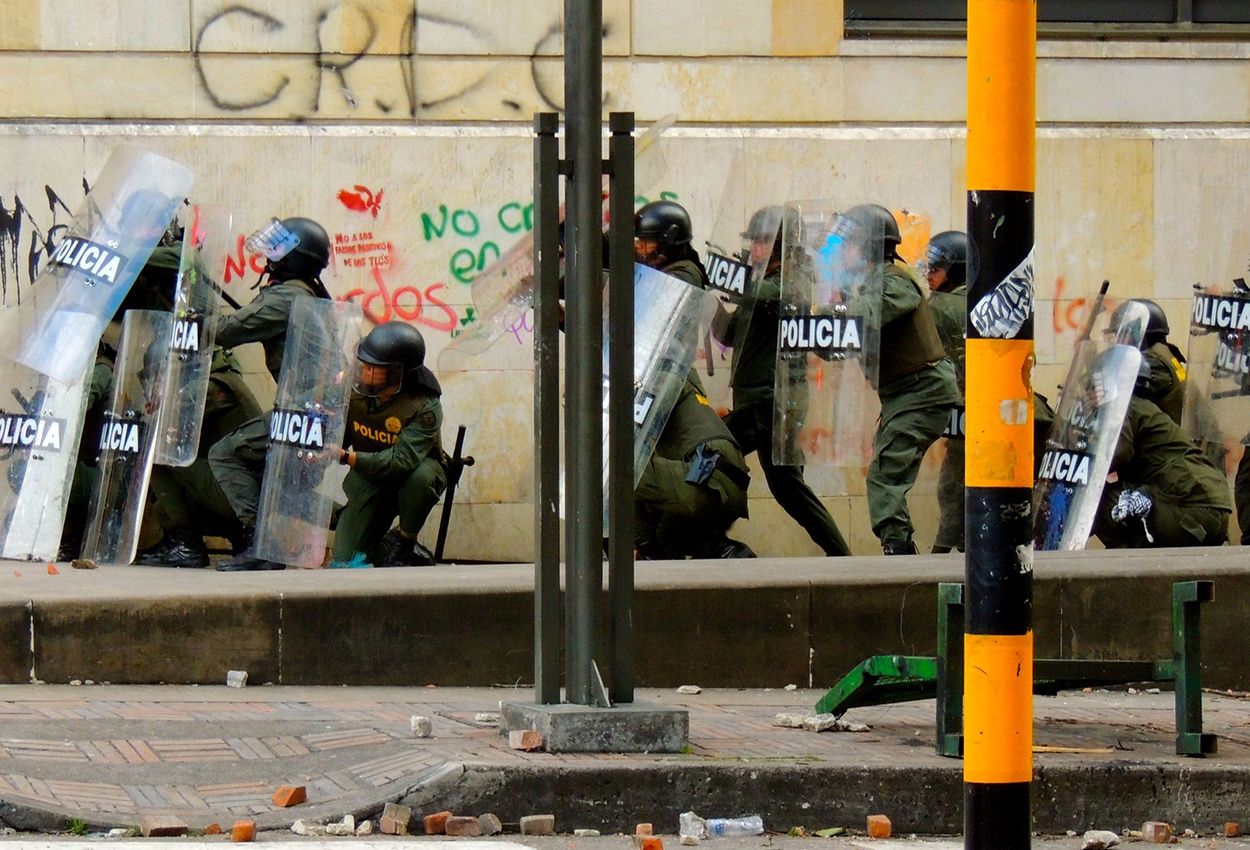
Democracy, Identity, And Power In Modern International Political Systems
The rise of multipolar tensions has redefined how governments negotiate, cooperate, and compete. Major summits, trade agreements, and defense collaborations now reflect a world where authority is more evenly distributed, and no single country dominates global affairs
Global Power Shifts Reshape Diplomacy Amid Rising Multipolar Tensions
In recent years, the landscape of international politics has undergone a seismic transformation, as established power centers are challenged by the emergence of new players on the global stage. Regional powers and coalitions—including countries from the Global South—are increasingly asserting their influence through strategic partnerships and proactive engagement in diplomatic forums. These shifts have dramatically altered traditional alliances, prompting nations to develop more flexible, dynamic foreign policies that can adapt to rapidly changing security and economic realities.
The rise of multipolar tensions has redefined how governments negotiate, cooperate, and compete. Major summits, trade agreements, and defense collaborations now reflect a world where authority is more evenly distributed, and no single country dominates global affairs. In this multipolar environment, ongoing disputes over resources, technology, and governance present both opportunities for innovative cooperation and risks of regional conflict escalation.
Against this backdrop, today’s international news stories capture the nuances and complexities of an evolving order, offering insight into the strategic maneuvers of both established powers and emerging leaders. From economic realignments to the impacts of technological advances and climate diplomacy, this post provides analysis and perspective on the trends that are shaping diplomacy and the future of international relations.
-

Civil Society Movements And Lasting Change In World Politics
The rise of multipolar tensions has redefined how governments negotiate, cooperate, and compete. Major summits, trade agreements, and defense collaborations now reflect a world where authority is more evenly distributed, and no single country dominates global affairs
Global Power Shifts Reshape Diplomacy Amid Rising Multipolar Tensions
In recent years, the landscape of international politics has undergone a seismic transformation, as established power centers are challenged by the emergence of new players on the global stage. Regional powers and coalitions—including countries from the Global South—are increasingly asserting their influence through strategic partnerships and proactive engagement in diplomatic forums. These shifts have dramatically altered traditional alliances, prompting nations to develop more flexible, dynamic foreign policies that can adapt to rapidly changing security and economic realities.
The rise of multipolar tensions has redefined how governments negotiate, cooperate, and compete. Major summits, trade agreements, and defense collaborations now reflect a world where authority is more evenly distributed, and no single country dominates global affairs. In this multipolar environment, ongoing disputes over resources, technology, and governance present both opportunities for innovative cooperation and risks of regional conflict escalation.
Against this backdrop, today’s international news stories capture the nuances and complexities of an evolving order, offering insight into the strategic maneuvers of both established powers and emerging leaders. From economic realignments to the impacts of technological advances and climate diplomacy, this post provides analysis and perspective on the trends that are shaping diplomacy and the future of international relations.
-

How Democratic Institutions Survive In Volatile Political Environments
The rise of multipolar tensions has redefined how governments negotiate, cooperate, and compete. Major summits, trade agreements, and defense collaborations now reflect a world where authority is more evenly distributed, and no single country dominates global affairs
Global Power Shifts Reshape Diplomacy Amid Rising Multipolar Tensions
In recent years, the landscape of international politics has undergone a seismic transformation, as established power centers are challenged by the emergence of new players on the global stage. Regional powers and coalitions—including countries from the Global South—are increasingly asserting their influence through strategic partnerships and proactive engagement in diplomatic forums. These shifts have dramatically altered traditional alliances, prompting nations to develop more flexible, dynamic foreign policies that can adapt to rapidly changing security and economic realities.
The rise of multipolar tensions has redefined how governments negotiate, cooperate, and compete. Major summits, trade agreements, and defense collaborations now reflect a world where authority is more evenly distributed, and no single country dominates global affairs. In this multipolar environment, ongoing disputes over resources, technology, and governance present both opportunities for innovative cooperation and risks of regional conflict escalation.
Against this backdrop, today’s international news stories capture the nuances and complexities of an evolving order, offering insight into the strategic maneuvers of both established powers and emerging leaders. From economic realignments to the impacts of technological advances and climate diplomacy, this post provides analysis and perspective on the trends that are shaping diplomacy and the future of international relations.